
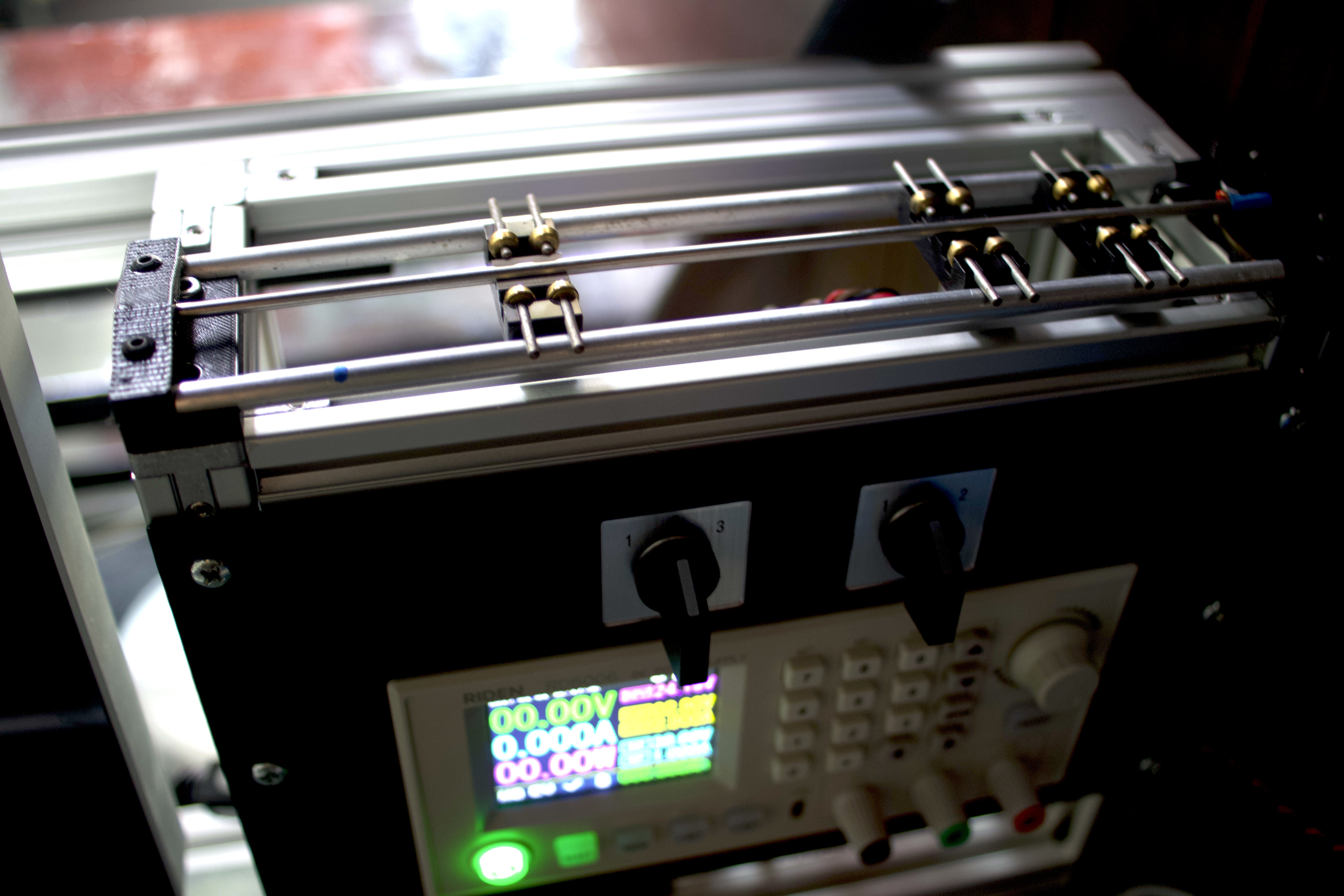
A rolling test stand is one of those tools that seems optional until you start using it regularly. It lets you run and test locomotives on the bench without setting up a full track section, which makes troubleshooting faster and much less messy.
I had a KFC-Zeller rolling test stand for years, but I barely used it because it was not mounted permanently. Every test session started with setup and ended with cleanup, so in practice I postponed using it.
Why I changed the setup
I wanted the stand to be available instantly on my workbench.
That way I can quickly:
- verify motor behavior after maintenance
- test decoder programming changes
- check drivetrain smoothness at low speed
- diagnose noise and binding before putting a loco back on the layout
Permanent bench mount
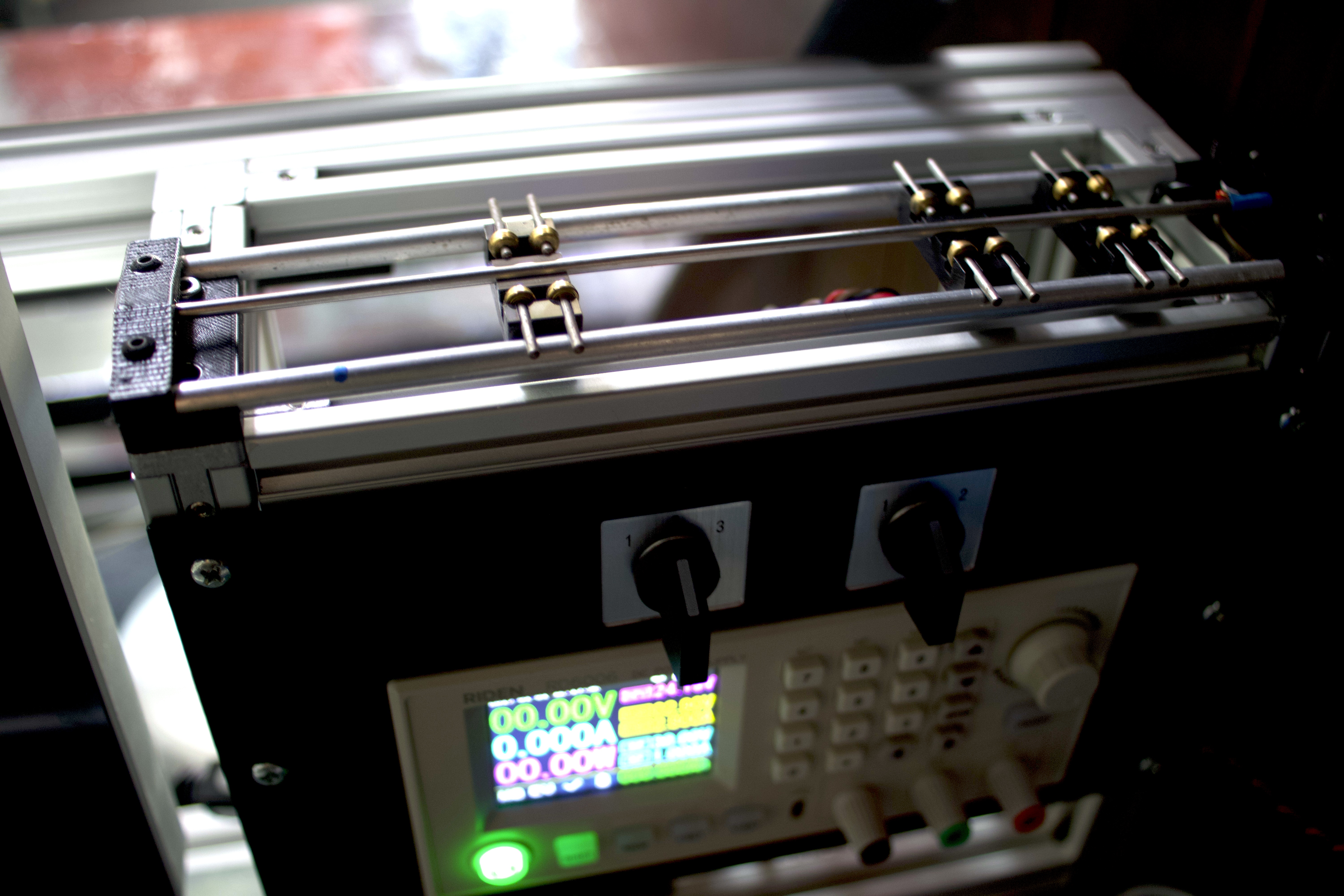
I modified my setup so the stand is fixed in place and always ready.
This made a bigger difference than expected. Because it is always there, I now test locomotives in short sessions while I’m already working on other tasks. That catches problems earlier and avoids “mystery issues” later on the layout.
Parts and files
If you want to build a similar setup, the printable block files are available in my repository:
For hardware, you mainly need:
- 3 mm and 6 mm linear rods
- roller trolleys (search for "Track Roller Test Stand" on AliExpress)
Practical usage tips
A few things that worked well for me:
- Keep the stand aligned and level to avoid false vibration/noise readings.
- Start at low speed first to check for drivetrain binding.
- Test in both directions to detect asymmetric wear.
- If using DCC, validate acceleration and speed-step behavior after decoder changes.
Video
If you build one, feel free to use the files and adapt the dimensions to your own bench and scale.